
Cultivate your health, save money and reduce stress
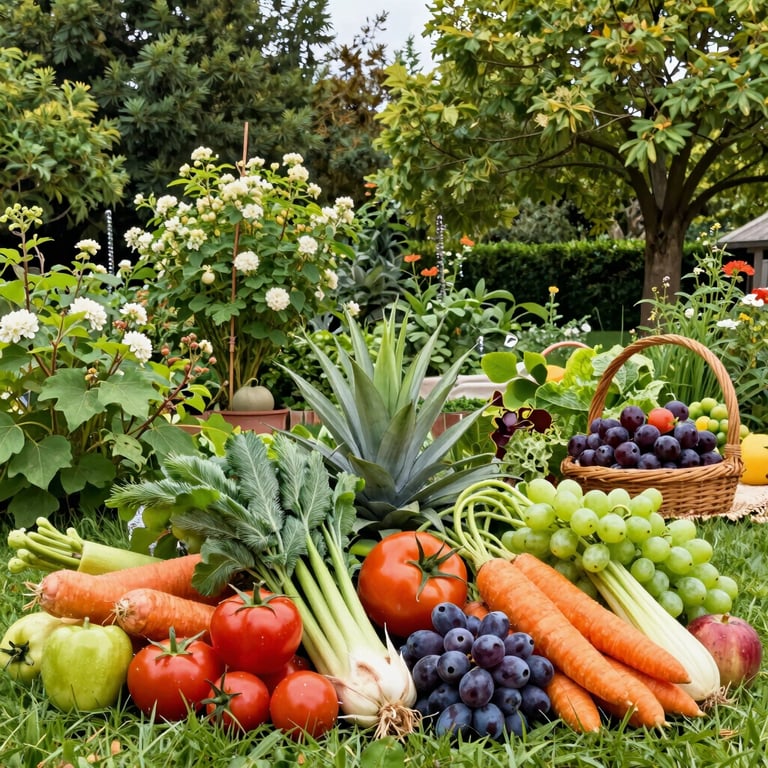
The Beauty of Gardening is an art. Each garden tells a unique story, reflecting its caretaker's personality and dreams. Whether it's a small balcony garden or a sprawling backyard oasis, the beauty lies in the diversity of plants and flowers that can flourish under our care. From the vibrant colors of a flower bed to the tranquil greens of leafy vegetables, every element contributes to a tapestry of life.
Gardening and farming are not just about planting and harvesting, they’re about patience, consistency, and working with natural cycles to create something sustainable. Whether in a backyard garden or on a larger scale, they empower you to grow fresh, healthy food while building a lifestyle rooted in self-reliance, resilience, and respect for the environment. It offer a direct connection to nature, a deeper understanding of how life is sustained, and the ability to provide for yourself in a meaningful, hands-on way.
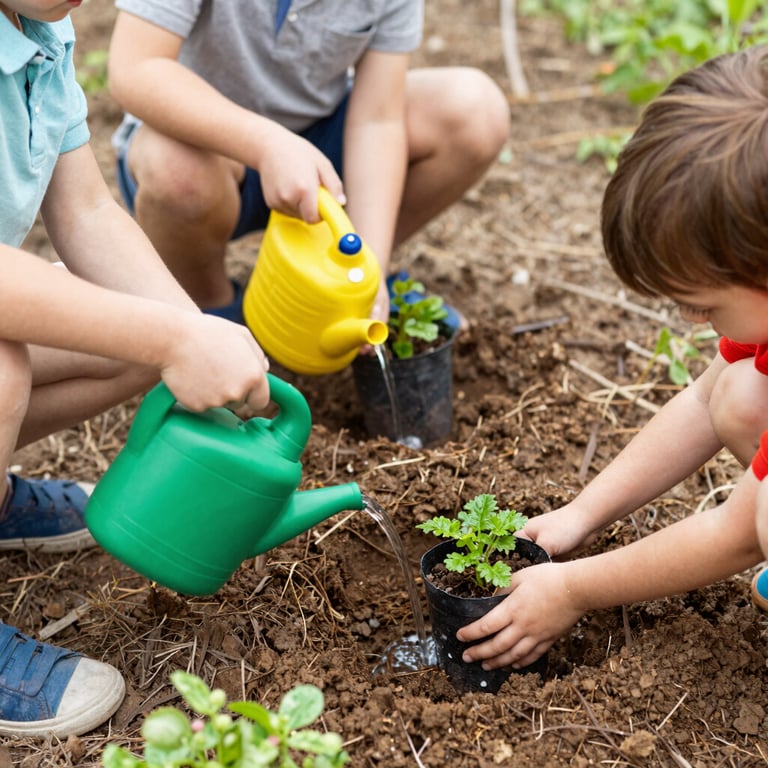
Gardening and farming help you grow your own food, connect with nature, and build a more self-sufficient, sustainable lifestyle. It goes far beyond simply growing food, it improves your physical health, support mental well-being, reduce food costs, and strengthen your connection to nature. Gardening and farming encourage consistent movement, provide fresh and nutrient-rich produce, and offer a sense of accomplishment from nurturing something over time. They also promote sustainability, helping you rely less on processed foods and external systems while building skills that support long-term self-sufficiency.
Seasonal produce
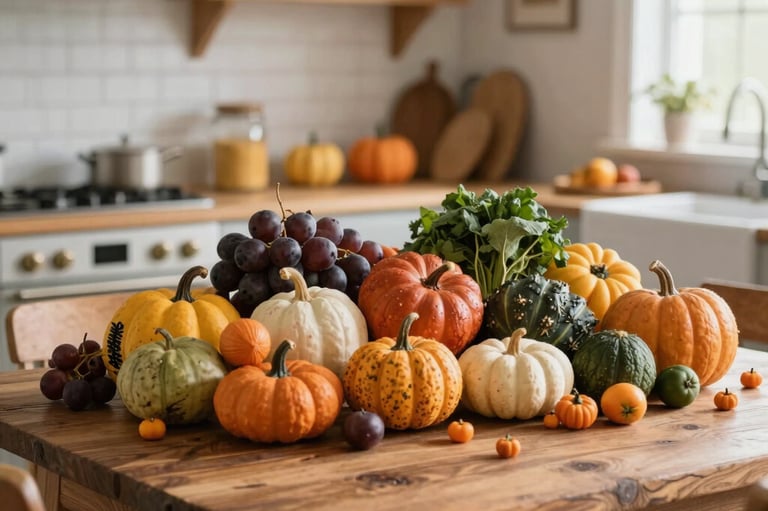
Benefits: Seasonal fruits and vegetables are harvested at their peak ripeness, ensuring that they are bursting with flavor. When you eat in tune with the season, you experience produce that hasn’t been transported long distances or kept in cold storage—for example, peak summer tomatoes are sweet and juicy, while fall squashes are rich and hearty. Foods that are in season are often more nutrient-dense. The shorter time between harvest and consumption means that seasonal ingredients retain more vitamins and minerals. For instance, leafy greens like kale and spinach are best in cooler months, when they are crisp and packed with nutrients.
Environmental Sustainability: Choosing seasonal ingredients typically means low environmental impact. When you buy what's in season, you often purchase produce that is grown locally, which reduces carbon footprints associated with transport. Additionally, seasonal farming practices can be more sustainable, as they align with nature's cycles.
Cost-Effectiveness: Seasonal produce is often less expensive because it is more abundant. By buying in-season fruits and vegetables, you can capitalize on lower prices and also reduce waste, as they are more likely to be fresher and last longer.
Cooking with flavour: Cooking with seasonal ingredients encourages culinary diversity. Each season brings unique flavors and textures. Winter root vegetables provide a satisfying earthiness, while springtime herbs and greens can brighten up dishes.
We have it, we like it!
We will help you to grow your own plants from seeds
*****



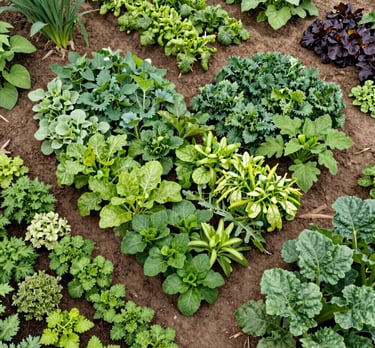
Growing your own plants with seeds
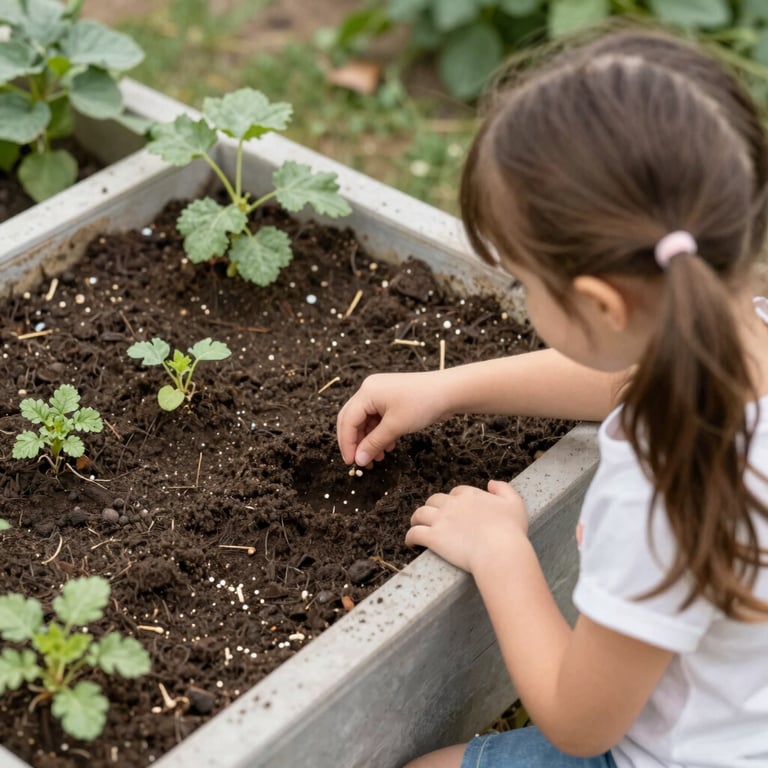
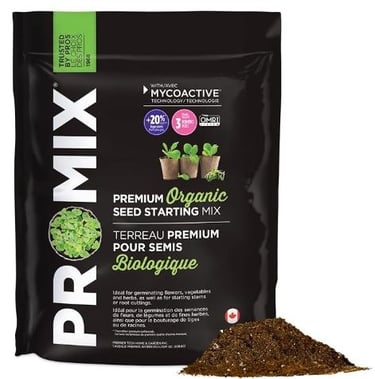
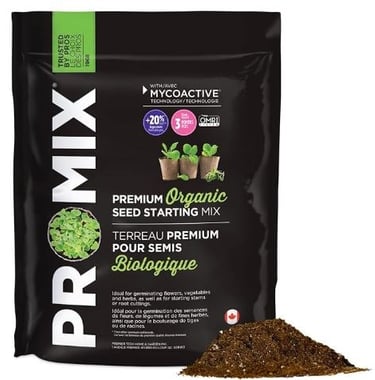
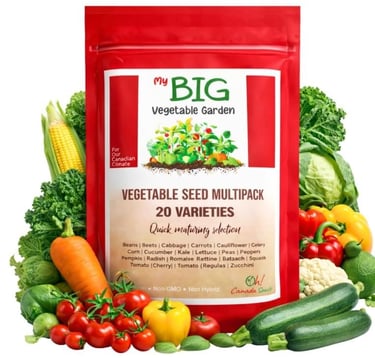
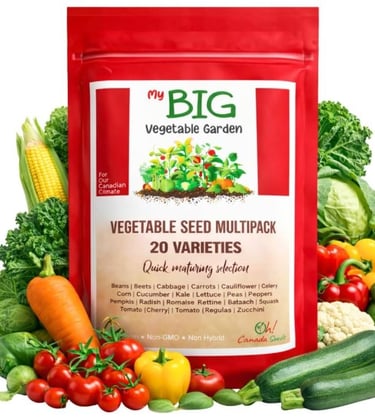
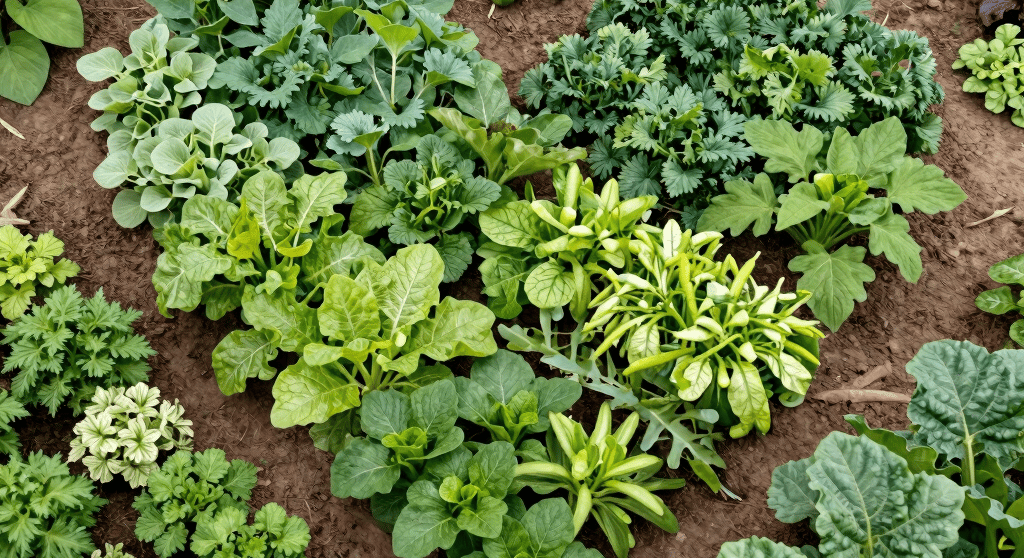
Growing our own plants for the first time can be an exciting and rewarding experience. Whether you're looking to cultivate your own vegetables or herbs. We started by choosing our favourite vegetables we would like to have in our garden, then we purchased those seeds from a local market. keep in mind you can also dry your own seeds from vegetables you already have at home. We then planted the seeds in organic seed starting mix in small plant starter pots. We are so impressed how quick the seeds grew into beautiful little plants and eventually into delicious vegetables. Keep visiting us to see more pictures of their progress. Nature is so beautiful!
Growing your own plants for the first time is a fulfilling hobby that can provide food, beauty, and a peaceful escape from the hustle and bustle of everyday life. Whether you dream of homegrown vegetables on your dinner plate or colorful flowers bringing joy to your garden, there’s no feeling quite like watching something you’ve nurtured blossom into life. So grab your gardening tools and get started, your green thumb awaits!
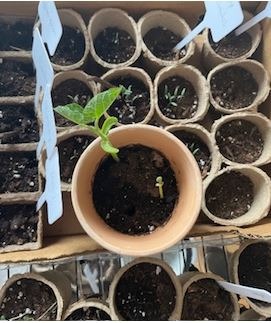
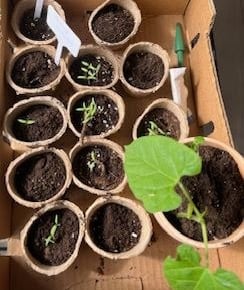
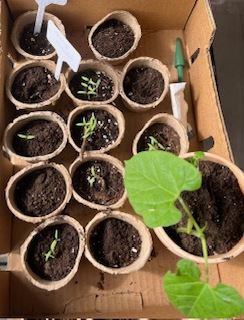
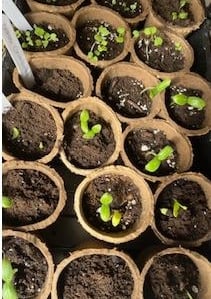
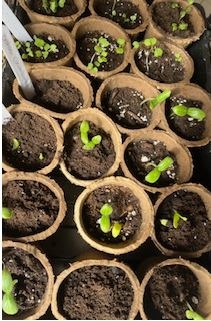
The Evolution of the seeds to a plant
Our chickens are the best pet for our family
Having chickens at home offers a multitude of benefits that extend beyond the delightful clucking and charming presence they add to your yard. One of the most significant advantages is the production of fresh, pure eggs.
The taste difference is remarkable, with homegrown eggs often boasting richer flavors and vibrant yolks due to the chickens' natural diet. Beyond the culinary benefits, raising chickens can be a fulfilling and educational experience for families. Children can learn valuable lessons about responsibility, animal care, and the food production process. It becomes an opportunity for them to connect with nature and understand where their food comes from, fostering a sense of appreciation for sustainable practices. Chickens also play an integral role in maintaining a healthy ecosystem in your backyard. They are natural foragers, helping to eliminate pests and unwanted insects. By allowing them to roam freely, you can significantly reduce the need for chemical pesticides and fertilizers, promoting a healthier environment. The chicken’s natural manure serves as an excellent fertilizer, enriching the soil and helping your garden thrive. If you’re looking for a way to enhance your home life while contributing positively to the environment, considering backyard chickens is an excellent choice.
Our chickens enjoy digging into the earth that we laid down this spring. They like forging to find bugs and slugs. They enjoy the sun while they lie on the balcony and take sand/dirt baths in the garden. During the day the chickens enjoy wondering in the backyard, and at night time the snuggle up in their chicken coop we built for them. Every morning we collect the beautiful large eggs they lay for us.
Thank you Nancy and Nugget!



There are cooking methods that enhance flavor and nutrition to maximize the benefits of seasonal ingredients, consider these cooking techniques designed to elevate both flavor and nutritional content.
Roasting method caramelizes the natural sugars in vegetables like carrots, beets, and Brussels sprouts, enhancing their sweetness and bringing out their inherent flavors. Roasting also preserves nutrients effectively when done at the right temperatures.
steaming is a gentle method that helps retain the water-soluble vitamins (like vitamin C and many B vitamins) found in seasonal greens. Steaming broccoli, asparagus, or spinach until just tender maximizes flavor without sacrificing nutrition.
Grilling with high heat of the grill adds a smoky flavor to vegetables and meats alike. Grilled vegetables such as zucchini, bell peppers, and corn are the perfect addition to summer dishes, bringing a delightful char that enhances their natural sweetness.
Embracing seasonal ingredients through fermentation not only adds exciting flavors but also boosts gut health with probiotics. Ingredients like cucumbers, radishes, and cabbage can be fermented to make pickles, kimchi, or sauerkraut, providing tangy contrasts in meals.
Lightly sautéing seasonal greens, such as Swiss chard or collard greens, with garlic and olive oil can infuse the dish with flavor while preserving nutrients. This quick cooking method enhances taste without overcooking the vegetables, keeping their vibrant colors and crisp textures intact.
Finding Inspiration for Nourishing Meals To create meals that satisfy hunger and nourish the soul, embrace the creativity that seasonal cooking offers. Here’s how to find inspiration in this flavorful approach. Visiting a local farmers’ market is an excellent way to discover seasonal treasures.
Communicate with the farmers about what is available and allow their recommendations to guide your meal planning. Share cooking experiences with family and friends, and dive into cookbooks or online resources to look up recipes that excite your palate.
Exquisite ingredients, enhanced by thoughtful cooking methods, transpires into meals that nourish body, mind, and spirit, turning each dining experience into an opportunity for joy and satisfaction. Regardless of the season, let your pantry be filled with the essence of nature and allow this to inspire your kitchen creations, ensuring every meal becomes a celebration of flavor, health, and community.
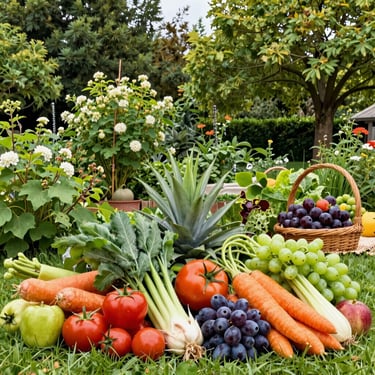
Cultivating Wisdom
Gardening is both an art and a science, offering a rewarding way to connect with nature while cultivating beautiful plants and fresh produce. Before you start planting, it's crucial to assess your garden's environment. The amount of sunlight available can significantly affect plant growth. Most vegetables and flowering plants thrive in full sun, requiring at least 6-8 hours of direct sunlight daily. Healthy soil is the foundation of a successful garden. Conduct a soil test to determine the pH level and nutrient content and know your soil type.
This will help you choose the type of plants, they need regular watering, especially during their early growth stages. Aim for deep watering at least once or twice a week rather than shallow, frequent watering. Deep watering encourages roots to grow deeper into the soil. Gardening is a journey of continuous learning. Engage with local gardening associations, attend workshops, and read gardening books to expand your knowledge.
Nutrition
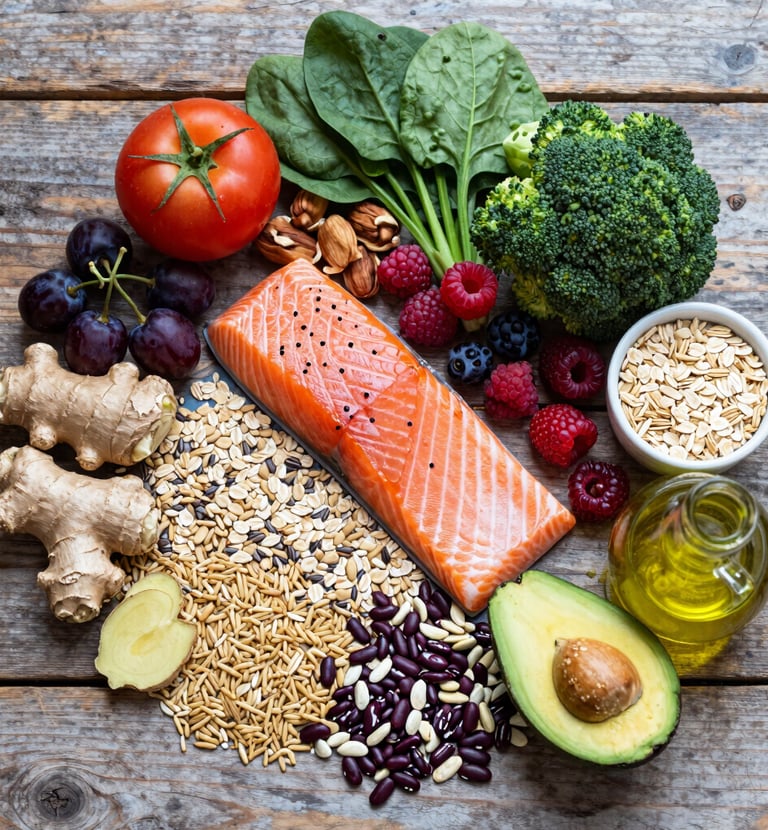
One of the first steps toward a healthier life is cultivating a nutritious diet. Eating whole, unprocessed foods packed with nutrients fuels the body and mind. Imagine starting your day with a vibrant smoothie filled with spinach, banana, and almond milk, it not only energizes you but sets a positive tone for the day ahead. Incorporating colorful fruits and vegetables into your meals. Whole foods are those that are minimally processed and free from artificial ingredients. They include fruits, vegetables, whole grains, nuts, seeds, and legumes. These fuel our bodies with the vitamins and minerals. For instance, fruits and vegetables are abundant in antioxidants, which help combat oxidative stress in the body. Whole grains, unlike refined grains, have a higher fiber content that aids in digestion and helps maintain stable blood sugar levels. Let's embrace the power of whole foods and nourish our bodies to stay healthy in the most natural way possible.
© 2026 Copyright LearnKindLiveWell. All rights reserved.
All content on this website is protected by copyright law and may not be reproduced, distributed, or transmitted without prior written permission.




Explore our Partners and Collaborators
Protect Your Family. Protect Your Team. Start with a Cleaner Environment.
Healthy Spaces Begin with Professional Cleaning.
A Cleaner Environment Is an Investment in Your Well-Being.
Elevating Every Space with Exceptional Cleaning
We believe your home and your workplace deserves to be clean, healthy, and welcoming.
Discover professional cleaning solutions designed to create environments where people can live, work, and thrive.
Experience the difference a truly clean space can make. Visit our partners and collaborators to learn more.
*****