The Water Crisis - Shortage, Problems and Solutions
Take care of the resource we have now, be careful, we will be running out soon, sooner then you think.
4/4/20264 min read
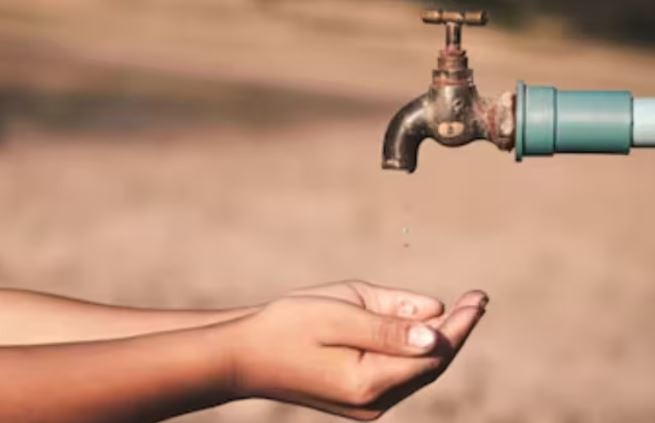
We are using up water sources faster than they can be replenished, essentially putting, us in water debt. Water stress can differ dramatically from one place to another, in some cases causing wide-reaching damage, including to public health, economic development, and global trade. It can also drive mass migrations and spark conflict. As regions, particularly the Middle East and North Africa, become increasingly water-stressed, pressure is mounting on countries to implement more sustainable and innovative practices and to improve global water management cooperation. Experts say impacted countries must also account for the potential that watersheds—areas of land that channel rainfall, snowmelt, and runoff into a common body of water—may never return to their historical baselines, making sustained collaboration essential to meeting every country’s water needs.
How chlorine can affect hair?
Yes, we are talking about the same chemical that allows you to take a dip in the community pool on a hot summer day without contracting some unfortunate bacterial infection. Chlorine is also added to public drinking water to keep things bacteria-free. And, while chlorinated water’s great at keeping nasty bugs away, it can be a bit too strong for its own good (and ours). Chlorine is powerful enough to strip hair and skin of the natural oils that keep it smooth and healthy, which can lead to dried-out, damage-prone strands. Not to mention, it’s been found to cause a chemical reaction in hair that can change the appearance of its color (talk about pouring money down the drain).
AI and data centers
AI and data centers use vast amounts of water, primarily for cooling high performance servers, often withdrawing millions of gallons daily. This water evaporates into the atmosphere through cooling towers or is used in closed-loop systems, resulting in significant local water usage that can strain regional resources and impact local water supplies. They are heavily concentrated in Northern Virginia, Silicon Valley, and expanding rapidly into Texas, Arizona, Ohio, and Iowa. Driven by the need for massive power and space, new AI infrastructure is moving toward rural areas, exurban, and areas with access to cheap, abundant electricity. Public opinion regarding AI and data centers is increasingly marked by anxiety, caution, and local opposition, primarily driven by concerns over environmental impact and energy costs. While many people use AI tools weekly, a significant portion of the public is more concerned than excited.
Water bankruptcy
Growing water stress is threatening the health and development of communities worldwide. The United Nations warns the planet has entered an era of “water bankruptcy,” as climate pressures and rising demand intensify the strain on global water resources. Water stress occurs when demand for safe, potable water exceeds the available supply, often due to factors including agricultural production, climate change, and population growth. Today, billions of people experience some form of water stress.
Countries have often cooperated on water management. Still, there are a handful of places where transboundary waters are driving tensions, such as Africa’s Nile Basin. UN researchers warned in a January 2026 report that the world has entered an era of “water bankruptcy,” requiring radical reforms to prevent further irreversible damage to global water supplies. In a January 2026 flagship report, UN researchers warned that the world is in a state of “water bankruptcy,” in which human demand and depletion of natural water systems exceed replenishment rates. This threatens global energy and food security and potentially causes irreversible ecological degradation.
Washing your hair with filter
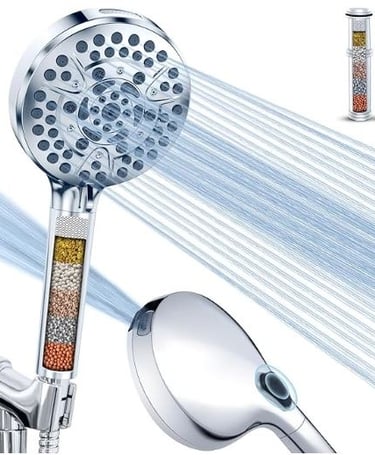
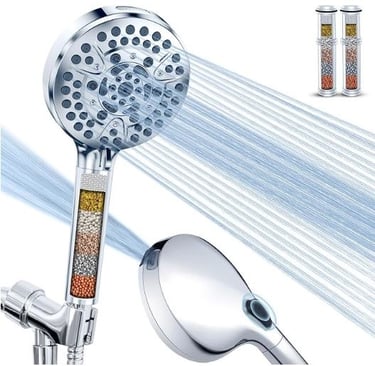
Washing hair with a filtered shower head is generally better for hair health. It removes contaminants like chlorine, magnesium, and calcium (hard water) that strip natural oils, cause dryness, and lead to breakage, fading, or brassiness. Filters improve hair texture, making it softer, shinier, and more manageable while reducing scalp irritation.
Why try a shower head filter?
Show of hands if you get drinking water straight from the tap. Right, we didn’t think so. Most of us don’t trust municipal or well water for our palate or internal well-being, so why be so laissez faire with our hair and skin? Can tap water really do wonders for our sensitive strands? Probably not. Even if water quality is something you’ve considered as a component of skin and hair health, the cost of hard water filtration systems or a soft water treatment can be pricey. So, let’s get acquainted with shower filtration. A filter with or without a shower head that adapts or connects to an existing shower pipe, shower water filters can help keep hair soft and hydrated (goodbye, frizz) in addition to ensuring a better clean.
Is your water hurting your hair?
This calls for getting a little handy. Feel your hair. Does it feel dried out, or brittle? Does it look dull, and despite your best efforts (and big bucks on all the latest hair healers), your good hair days are few and far between? The culprit could be your shower water. Whether you have hard water or soft water, municipal or well, the water in your shower could be hindering your healthy hair efforts by either washing in harsh chemicals or leaving behind less-than-clean results. Regardless, it’s fair to consider shower water may be the source of your hair troubles.
What is in your water?
Just like in Wonderland, things aren’t always what they seem. Your seemingly clean water may be crystal clear, appearing fresh and pure—but there could be microscopic hitchhikers pouring out of your tap keeping your hair from feeling fully clean and hydrated, like:
Chlorine
Iron oxide
Dirt and sediment contaminants
Hydrogen sulfide
Unwanted odors
© 2026 Copyright LearnKindLiveWell. All rights reserved.
All content on this website is protected by copyright law and may not be reproduced, distributed, or transmitted without prior written permission.




Explore our Partners and Collaborators
Protect Your Family. Protect Your Team. Start with a Cleaner Environment.
Healthy Spaces Begin with Professional Cleaning.
A Cleaner Environment Is an Investment in Your Well-Being.
Elevating Every Space with Exceptional Cleaning
We believe your home and your workplace deserves to be clean, healthy, and welcoming.
Discover professional cleaning solutions designed to create environments where people can live, work, and thrive.
Experience the difference a truly clean space can make. Visit our partners and collaborators to learn more.
*****