The Art of Homemade Sourdough
4/3/20262 min read
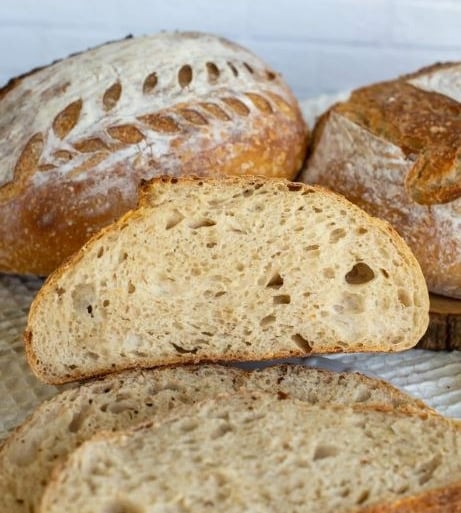
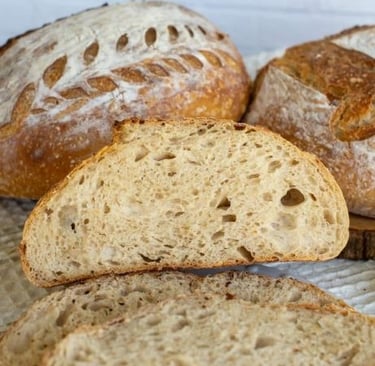
Introduction to Homemade Sourdough
Sourdough bread has been a timeless culinary staple, cherished for its distinct tangy flavor and chewy texture. Making homemade sourdough involves a unique fermentation process that distinguishes it from regular bread. This article aims to explore the best methods of creating sourdough bread while also highlighting the numerous benefits it brings to both health and taste.
The Sourdough Process: Steps to Success
To embark on your homemade sourdough journey, start by cultivating a sourdough starter—a mixture of flour and water left to ferment. This starter captures wild yeast and lactic acid bacteria present in the environment, essential for the fermentation process. Here’s a simplified approach to making your sourdough:
Create Your Starter: Mix equal parts of flour and water into a jar. Allow it to sit at room temperature, feeding it daily with more flour and water until it becomes bubbly and has a pleasant sour aroma.
Mixing Ingredients: Combine your active starter with flour, water, and salt. The dough should be wet and slightly sticky.
Bulk Fermentation: Allow your dough to rise for several hours, performing stretch and fold techniques periodically to develop gluten strength.
Shaping: After bulk fermentation, shape your dough and let it rest in a proofing basket or bowl lined with a cloth.
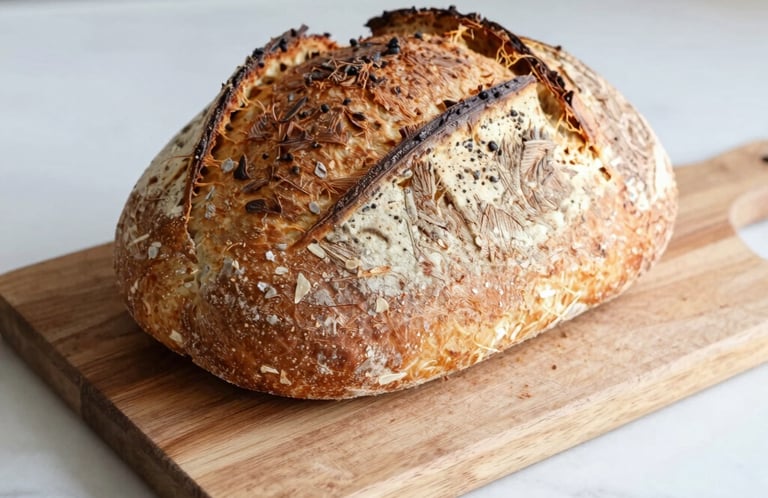
Baking: Preheat your oven with a Dutch oven inside. Once ready, transfer your dough into the Dutch oven, cover it, and bake to achieve a perfect crust and fluffy interior.
Follow these steps, and you will soon be rewarded with delicious homemade sourdough.
Benefits of Sourdough Bread
Not only is homemade sourdough a culinary delight, but it also offers several health benefits. The fermentation process enhances its digestibility due to the breakdown of gluten and phytic acid, making it a healthier option compared to standard bread. Additionally, the presence of probiotics can help support gut health.
Sourdough bread has a lower glycemic index, which is beneficial for blood sugar regulation. The process of fermentation often increases the availability of nutrients, allowing your body to absorb more vitamins and minerals.
Moreover, the satisfaction derived from creating homemade sourdough cannot be overstated. Engaging in the art of baking can be therapeutic, offering a sense of accomplishment as you enjoy the fruits of your labor.
Homemade sourdough is not just another recipe; it’s an experience filled with tradition, health benefits, and flavor. Through the process of creating this timeless bread, you embrace not only the culinary art but also a healthier lifestyle. With patience and practice, you can master the best ways to make sourdough at home, enjoying its unique taste and the joy of baking each time you pull a loaf from the oven.



© 2026 Copyright LearnKindLiveWell. All rights reserved.
All content on this website is protected by copyright law and may not be reproduced, distributed, or transmitted without prior written permission.




Explore our Partners and Collaborators
Protect Your Family. Protect Your Team. Start with a Cleaner Environment.
Healthy Spaces Begin with Professional Cleaning.
A Cleaner Environment Is an Investment in Your Well-Being.
Elevating Every Space with Exceptional Cleaning
We believe your home and your workplace deserves to be clean, healthy, and welcoming.
Discover professional cleaning solutions designed to create environments where people can live, work, and thrive.
Experience the difference a truly clean space can make. Visit our partners and collaborators to learn more.
*****