Essential Foods for Emergency Storage
4/15/20265 min read
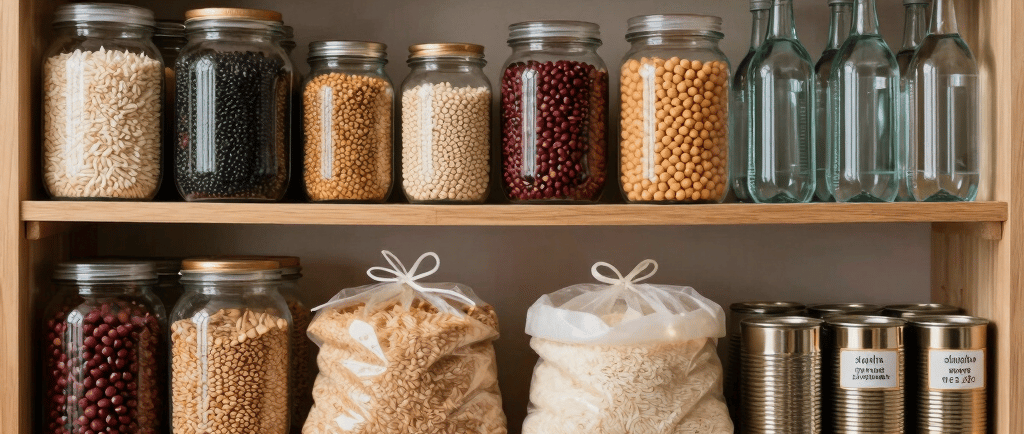
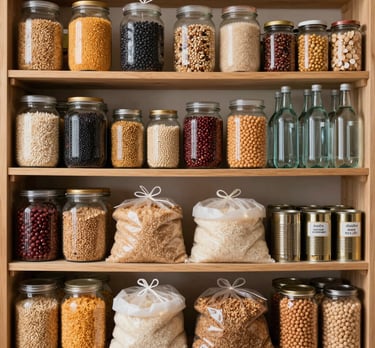
In today's unpredictable world, being prepared for emergencies is crucial. Natural disasters, pandemics, or even economic crises can strike at any moment, making it vital to have essential food supplies on hand. Building a well-thought-out emergency food storage can provide peace of mind and ensure your family stays nourished in times of need.
Top Foods to Keep in Your Emergency Supplies
When selecting food items for emergency storage, it’s important to consider not just shelf life, but also nutrition. In times of crisis, whether it be natural disasters, economic downturns, or unforeseen events, having a well-stocked pantry plays an essential role in maintaining nutrition and comfort. Here are some of the best food types to keep storage in your home:
Canned Goods: Canned vegetables, fruits, meats, and soups are excellent for emergency storage. They can last for several years when stored properly, providing a variety of nutrients. The canning process often locks in vitamins and minerals, enabling you to maintain a balanced diet during emergencies. Options such as canned vegetables, fruits, and legumes can provide essential nutrients when fresh produce may not be available. In an emergency, having quick access to energy-rich foods is crucial. Canned goods, particularly high-protein options like beans, meats, and fish, can provide the caloric intake necessary to maintain energy. Canned goods are sealed, protecting them from contamination and pests. Unlike perishable foods, canned goods do not require refrigeration, making them an excellent choice for power outages and emergencies. Canned goods are widely available in grocery stores and supermarkets and are generally cost efficient.
Dry Grains: Foods like rice, quinoa, and pasta are not only nutrient-dense but also have long shelf lives. They provide complex carbohydrates, which are a primary energy source for the body. In addition to energy, dry grains are also a good source of protein, dietary fiber, and various vitamins and minerals, including B vitamins, magnesium, and iron. This nutritional composition makes them an ideal component of emergency food supplies, as they can help sustain energy levels during times of stress and limited availability of food. One of the most significant advantages of storing dry grains is their remarkable shelf life. When kept in a cool, dry place, many grains can last for years or even decades without spoiling. For instance, white rice can last up to 30 years when stored properly, while other grains such as quinoa, barley, and oats also have substantial longevity. This durability makes dry grains an excellent option for long-term emergency food storage, providing peace of mind that you will have food available when you need it most. They can be kept in a variety of containers, including airtight buckets, jars, or bags, to prevent moisture and pests from compromising their quality.
Dried Beans and Lentils: Packed with protein and fiber, dried beans and lentils can last for years. They are also highly versatile, making them a smart addition to your emergency stash. When stored properly in a cool, dry place, these legumes can remain safe to consume for years, often a decade or more, depending on the type of bean or lentil. This longevity makes them an ideal choice for emergency storage food, as they can be stocked away with confidence that they will retain their nutritional value over time. These food items are not just practical; they also offer an array of uses when creating meals during emergencies.
Dried spices: Many of the spices such as oregano, turmeric, Thyme, black pepper, etc. Last from two to four years. For best results in extending the shelf life of your spices, store them in airtight containers and keep them away from light, heat, and moisture. Regularly check your stock, and use the oldest spices first to maintain freshness. By selecting these long-lasting spices for your emergency storage room, you not only prepare for unforeseen circumstances but also ensure your meals remain flavorful and satisfying, even during challenging times.
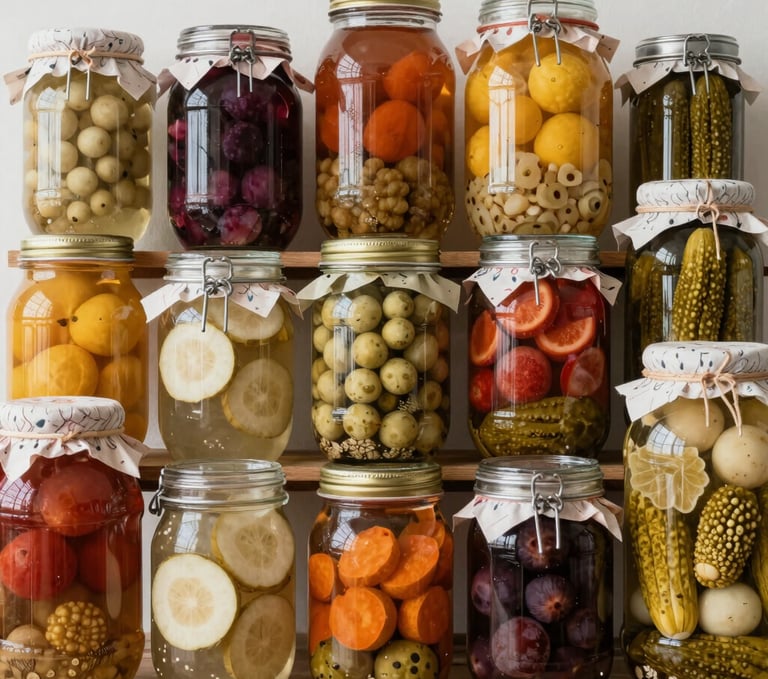
Food preservation: Preserving homemade foods is an art that has been practiced for generations, allowing individuals to harness the bounty of seasonal produce and enjoy it year-round. This process not only enhances food storage but also provides numerous benefits that extend beyond mere sustenance. Understanding the various methods of food preservation and their advantages can empower you to make the most of your culinary creations. You can research by reading about this topic or asking friends or search online how to learn the process of homemade food preservation.
Best Practices for Storing Emergency Food
To maximize the effectiveness of your emergency food storage, it’s essential to follow certain best practices:
Identify a Suitable Location: Choose a cool, dark, and dry place to store your emergency food supplies, such as a panty. This environment can help prolong shelf life. Use airtight containers for grains, sugar, and flour to protect them from pests. Label everything clearly with expiration dates to keep track. Kitchen cabinets can hold everyday emergency food supplies, keeping them within reach. Basements typically maintain cooler temperatures, which can be beneficial for food storage. Ensure the area is dry to prevent mold. Consider using a dehumidifier if the basement tends to be damp. Garages, when organized properly, can serve as a great storage option for bulk food items and emergency supplies. Ensure the garage is insulated from extreme weather, as high heat can spoil food. The space under beds is often underutilized. It can be a hidden and dry area for storing long-term food supplies. Utilize storage bins to keep items separate and organized, avoiding exposure to potential contaminants, and vacuum-sealed bags. This helps in keeping the food dry and makes it easy to retrieve later. Closets in hallways or spare rooms, can serve as additional food storage space without compromising your living areas. Regardless of location, keep emergency foods in a stable environment, ideally between 50°F and 70°F, to extend their shelf life.
Regularly Check Expiration Dates: When it comes to emergency storage food, regular checks for expiration dates and overall quality are crucial to ensure that you and your family are prepared for any unforeseen circumstances. Every few months, inspect your food items and rotate them as necessary. Replace any items nearing their expiration dates with fresh supplies. At least once a year, conduct a complete inventory of your emergency food stock. This involves checking all items for expiration dates, assessing their condition, and replenishing stocks as necessary.
Maintain Variety: Ensure that your emergency food storage includes both main courses and essential ingredients, such as spices and condiments. A wide variety of foods keeps mealtime interesting and satisfying. By incorporating these practices, you can ensure that your emergency food storage remains effective and ready to serve your needs when the time arises.
Understanding the Importance of
Emergency Food Storage
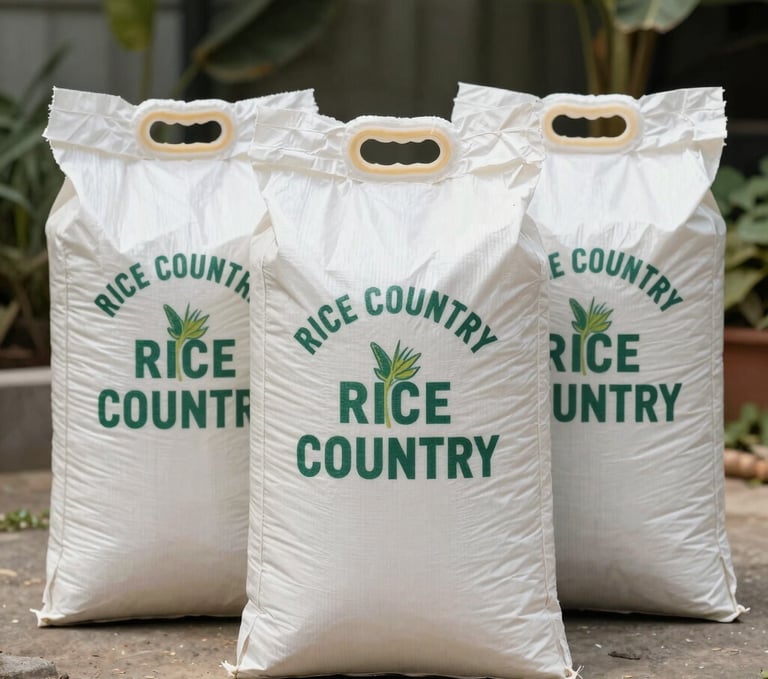
© 2026 Copyright LearnKindLiveWell. All rights reserved.
All content on this website is protected by copyright law and may not be reproduced, distributed, or transmitted without prior written permission.




Explore our Partners and Collaborators
Protect Your Family. Protect Your Team. Start with a Cleaner Environment.
Healthy Spaces Begin with Professional Cleaning.
A Cleaner Environment Is an Investment in Your Well-Being.
Elevating Every Space with Exceptional Cleaning
We believe your home and your workplace deserves to be clean, healthy, and welcoming.
Discover professional cleaning solutions designed to create environments where people can live, work, and thrive.
Experience the difference a truly clean space can make. Visit our partners and collaborators to learn more.
*****